
Aircons today come packed with “smart” features. From AI cooling to voice control, manufacturers are constantly adding new technology to stand out. But with every added feature comes a higher price tag, and many homeowners in Singapore are left wondering which ones actually make a difference.
The reality is simple. Some features genuinely improve convenience and reduce electricity bills, while others are more about marketing than real-world value, especially when bundled into an aircon promo that inflates the upfront price without delivering long-term benefits.
This guide from 81 Aircon breaks it down clearly. We’ll look at what is smart AC, the most common smart aircon features available in Singapore and evaluate them based on practicality, energy savings, and long-term return on investment.
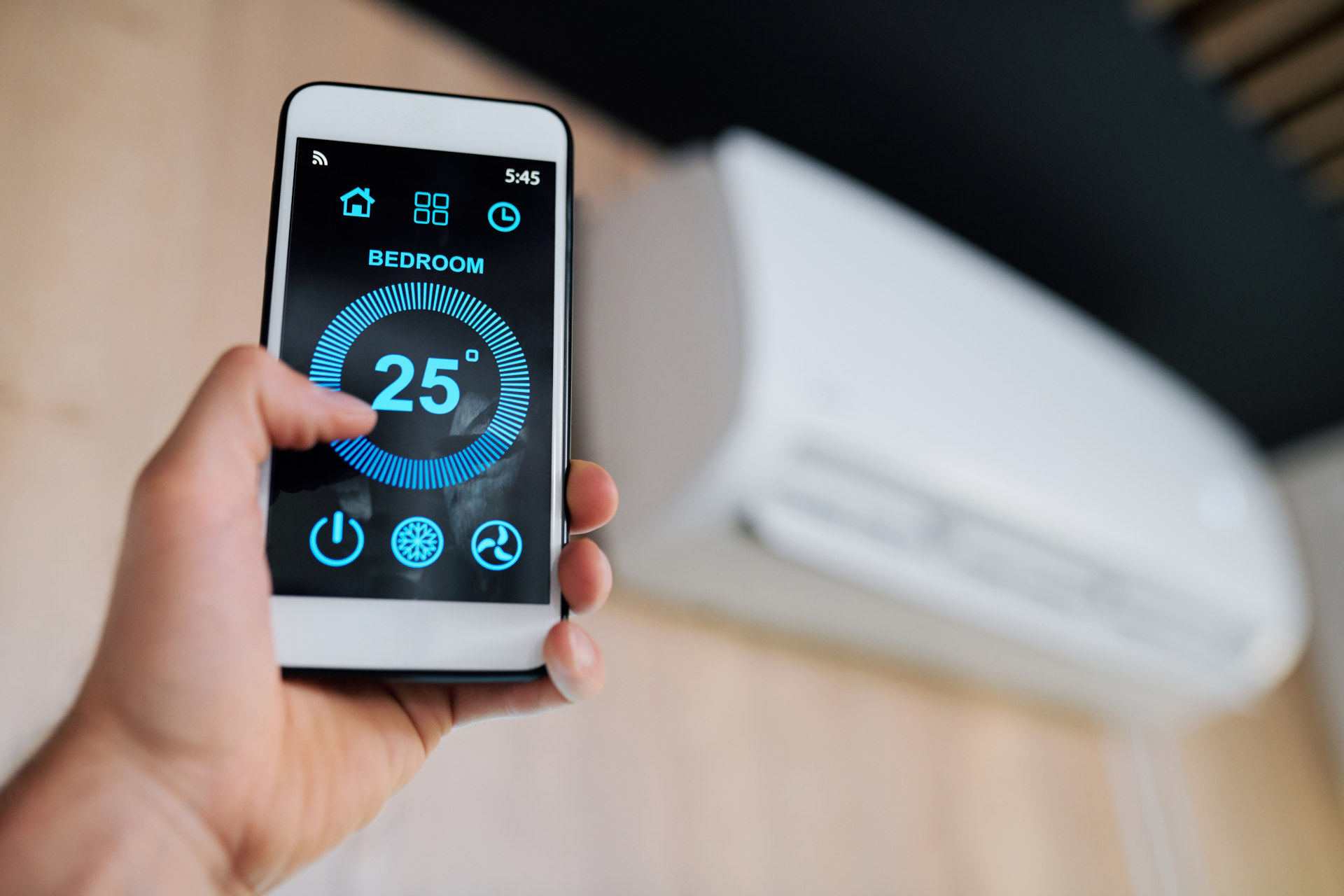
This is one of the most useful upgrades you can get. Wi-Fi control lets you turn on your aircon before you reach home, adjust settings from your bed, or check if you forgot to switch it off.
More importantly, many apps show energy usage in real time. This helps you stay aware of how much electricity you’re using and encourages better habits. Over time, this can reduce energy consumption by around 10 to 15 percent.
Most smart AC systems also integrate with Google Home or Alexa, giving you the option of voice control for added convenience.
Smart scheduling takes basic timers to the next level. Instead of manually turning your aircon on and off, you can set it to match your routine.
For example, your bedroom can cool automatically at 10 PM on weekdays and turn off at 7 AM, with a different schedule for weekends. This removes the guesswork and ensures your unit only runs when needed.
For households with consistent routines, this can reduce unnecessary usage and deliver savings of around 15 to 20 percent.
Inverter technology is the backbone of modern aircon efficiency. Instead of switching on and off repeatedly, the compressor adjusts its speed to maintain a steady temperature.
This reduces energy spikes, improves comfort, and significantly lowers electricity consumption. In 2026, inverter technology is no longer optional. It should be the baseline for any new aircon system.
Some smart aircons now include built-in energy tracking, showing how much electricity the unit is using in real time.
This visibility changes how people use their aircon. When you can see consumption clearly, you’re more likely to adjust your habits to control your usage. Even simple awareness can reduce usage by 5 to 10 percent without changing anything else.
Auto-cleaning functions dry out internal components after use to reduce moisture and mould buildup. This can slightly improve air quality and extend the time between servicing sessions.
However, it does not replace professional cleaning. You will still need proper servicing every 6 to 12 months. At best, it stretches your servicing interval from around 3 months to 4 or 5 months.
These sensors detect whether someone is in the room and adjust cooling accordingly. In theory, this reduces energy use when the space is empty.
In practice, it works best in single-occupant rooms like bedrooms. In shared spaces or open layouts, the benefit is limited. Savings are usually around 5 to 10 percent in the right conditions.
Sleep mode gradually increases the temperature overnight as your body cools naturally. This helps improve comfort while reducing energy use.
While useful, most standard aircons already include basic sleep functions. Advanced versions offer more precise adjustments, but the difference is not significant for most users.
Hand gestures and touchscreen remotes may look impressive, but they offer little practical value. A mobile app or standard remote already does the job efficiently.
Some aircons claim to learn your habits and adjust automatically. In reality, these systems are often basic scheduling functions packaged as AI.
Manual programming usually achieves the same outcome with more control.
Decorative lights and display panels add visual flair but no functional benefit. They increase the upfront cost without improving performance or efficiency.
The key takeaway is simple. Focus on features that deliver real value. Wi-Fi control, smart scheduling, and inverter technology offer measurable savings and everyday convenience without inflating your costs unnecessarily.
At 81 Aircon, we guide homeowners through every aircon purchase in Singapore, helping you choose systems that match your actual needs. The goal is to avoid paying for features you will not use, while investing in ones that genuinely improve performance, efficiency, and day-to-day comfort.
If you are planning an upgrade or unsure which features are worth it, get in touch with 81 Aircon today for expert advice tailored to your home.