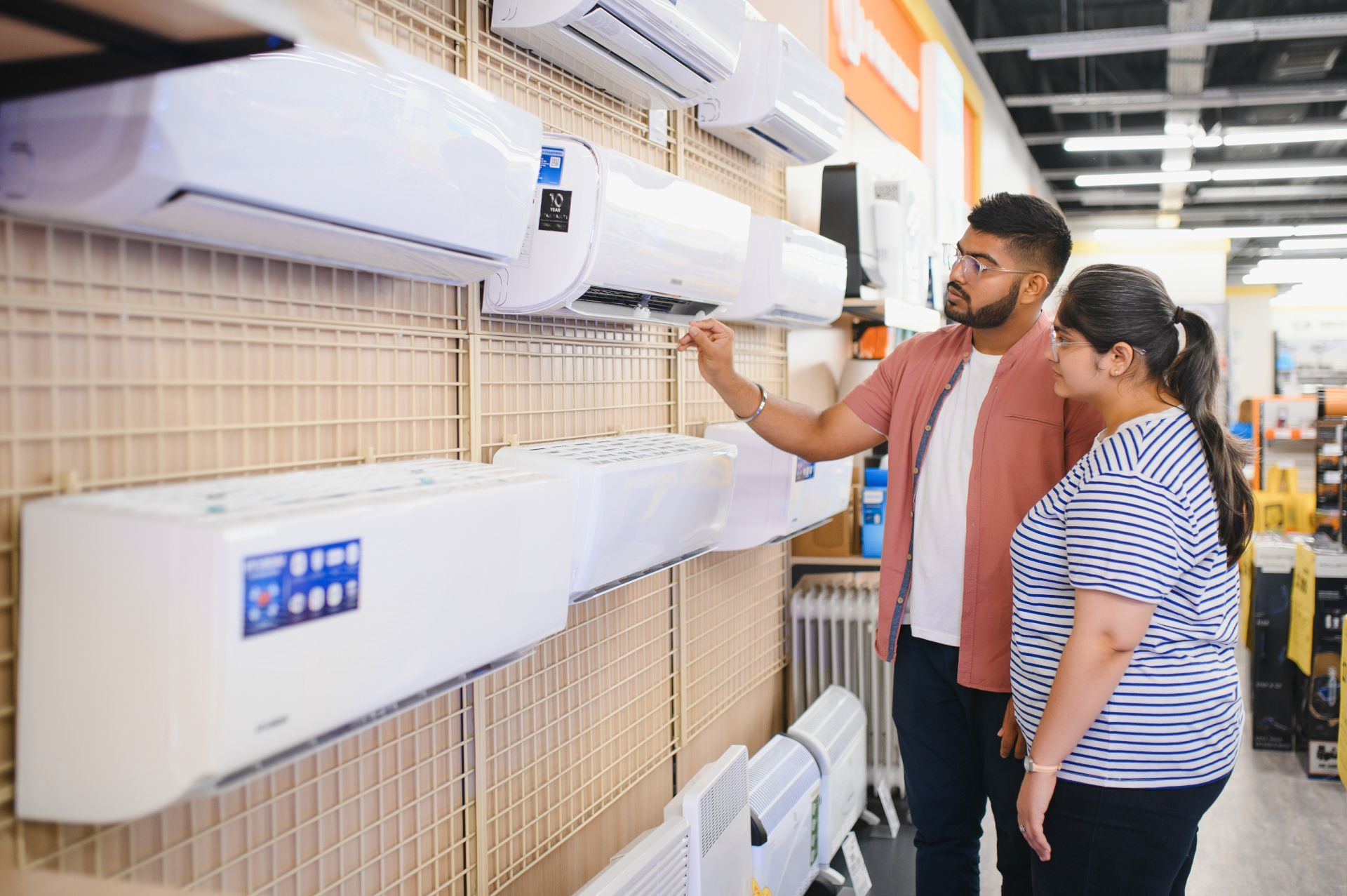
Living with Singapore's year-round humidity means that choosing a high-performance aircon is the most effective way to protect your comfort and your wallet. If you are preparing to buy aircon systems, the debate between inverter and non-inverter models is likely your biggest hurdle. We have broken down the differences to help you secure the most efficient aircon installation for your specific floor plan and budget.
Understanding what is happening inside your unit helps you choose the best cooling solution for your specific needs.
An inverter aircon is designed to be flexible. It uses a compressor that can adjust its motor speed dynamically and vary its output, meaning it only uses the exact amount of power needed to maintain your desired temperature.
By avoiding the heavy power draw of frequent restarts, the AC remains the more efficient choice for long-term use. This eliminates the need for loud restarts and keeps your electricity bill stable throughout the month.
Non-inverter ACs are less sophisticated, operating on an all-or-nothing principle.
The compressor runs at a fixed speed until the room is cold, then shuts off completely. When the temperature rises, the unit must work at maximum effort to cool the space down again.
Because it has to restart every time the room temperature drifts, it consumes a large amount of electricity during those start-up "spikes." This "stop-start" nature is also less efficient and usually results in a noisier outdoor environment.
Selecting between these two systems involves weighing your immediate budget against your future utility bills and lifestyle needs.
Inverter aircons generally cost more at the point of purchase due to their advanced, variable-speed technology. Non-inverter systems offer a cheaper initial aircon price and may appeal to budget-conscious buyers or those furnishing rental properties. However, you should view this as a choice between a lower entry cost and significantly lower long-term operating expenses.
Because we use cooling for extended periods in Singapore, an inverter's ability to avoid repeated start-ups is a game-changer. By idling at low power rather than shutting off, inverter aircons draw significantly less power once the room is cool, protecting your wallet from the power spikes. Checking the energy label usually confirms that the inverter will be significantly cheaper to run over a 24-hour cycle.
If you value an uninterrupted night's sleep, the inverter is your best friend. It provides a steady flow of cool air without the temperature spikes found in non-inverter units. In larger open-plan living rooms, a non-inverter may struggle to keep the temperature even, leading to "hot spots."
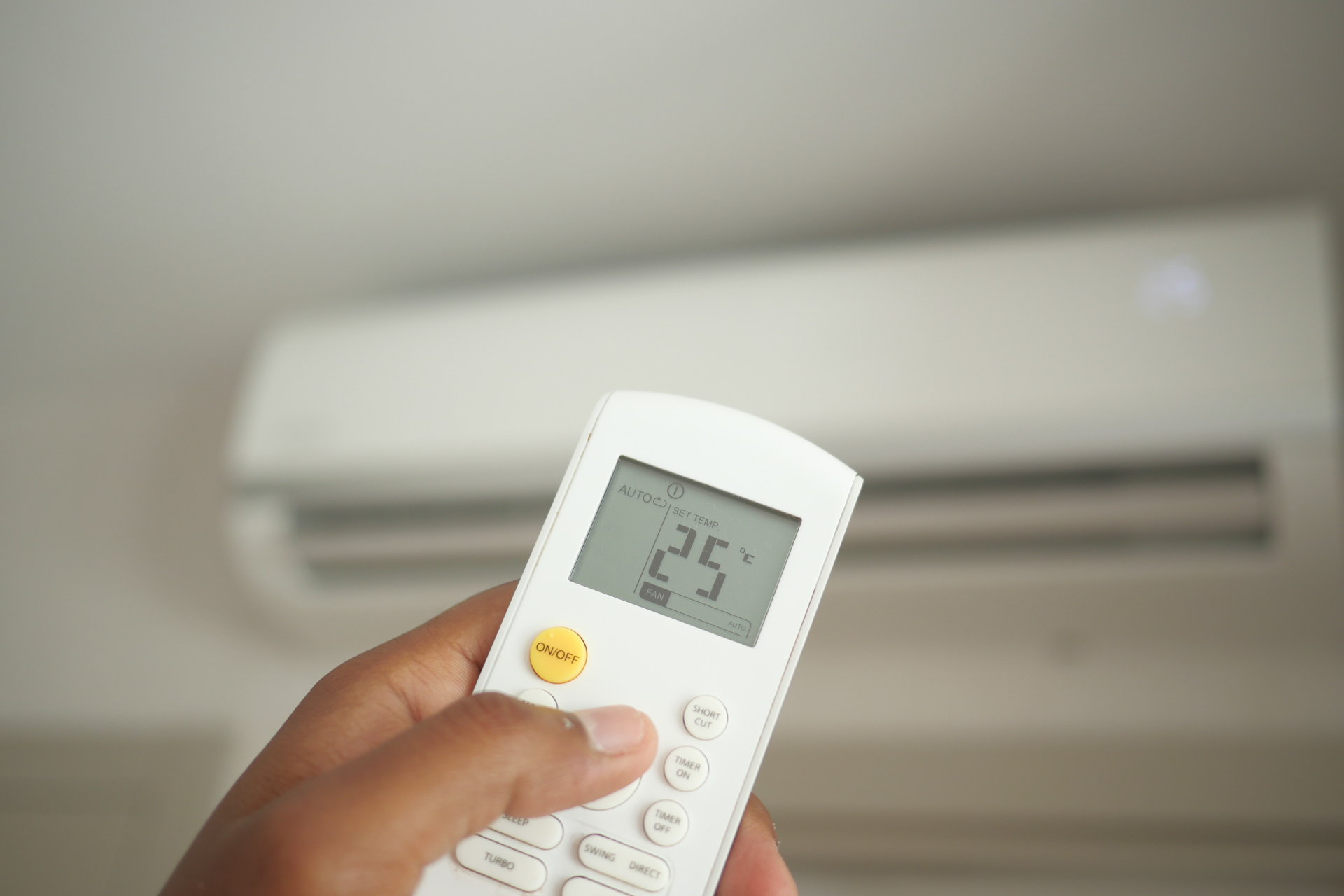
If you find yourself constantly adjusting the remote, you are likely feeling the instability of a non-inverter AC.
Inverter units operate more quietly because the compressor motor never fully shuts down or jolts back to life at maximum speed. This creates a peaceful environment, which is particularly beneficial for light sleepers. Non-inverter units produce a much louder start-up noise and occasional rattling sounds, which can be especially noticeable and disruptive during the quiet hours of the night.
Inverter units tend to enjoy a longer lifespan because they avoid the mechanical stress of constant start-stop cycles. By contrast, a non-inverter unit faces increased compressor strain every time it jolts back to life. This repetitive heavy lifting leads to a higher likelihood of repairs and component fatigue over time.
After comparing the technical strengths and weaknesses of both systems, your final choice usually boils down to your specific usage habits. Now that you understand how each AC operates, identifying the right fit for your floor plan becomes much simpler.
Choosing the right unit depends on your unique usage patterns, home layout, and long-term cost considerations. As a trusted aircon company, 81 Aircon provides personalised recommendations based on your room size, cooling habits, and energy efficiency goals to ensure you get the best value.
Ready to buy aircon systems for your home? Contact 81 Aircon today to enjoy professional installation and expert advice tailored to your needs.