
Singapore's year-round tropical climate presents a unique dual challenge for air conditioners: high heat and relentless humidity. This persistent moisture forces the unit to work overtime — first to dehumidify the air, and only then to cool it — causing an immense strain on the entire system.
Therefore, to help homeowners avoid expensive failures and critical performance drops, this guide explains the science of condensation, revealing the serious, hidden consequences behind it and offering professional solutions to restore your unit's efficiency.
Your aircon unit struggles because it must expend considerable energy condensing and removing moisture from the air before cooling can truly begin. This perpetual strain quickly compromises performance, resulting in system degradation and a host of problems that make your aircon not cold or causes the aircon to stop working:
High moisture content makes the air feel warmer, forcing your aircon unit to run continuously to satisfy the thermostat setting. This constant, extra work compromises cooling capacity and causes immediate inefficiency, resulting in a significant spike in electricity consumption and costing you more money every month.
Excessive humidity produces a high volume of condensation that can quickly overwhelm the drain pan and lines. If the drain is clogged (often by mould from the constant moisture), the water backs up, resulting in a severe water leak. This threatens not only your unit but also your property.
The pervasive humidity saturates the air, leaving damp coils and drain pans inside your unit that act as prime breeding grounds for mould and mildew. This leads to persistent musty odours and circulates spores throughout your home, severely compromising air quality and making your aircon output both warm and unhealthy.
When humid air hits cold, exposed pipes or poorly insulated parts, condensation forms on the exterior cover itself. This visible dripping — often seen on the casing or aircon vent — is a clear symptom of a systemic insulation or airflow breakdown exacerbated by high humidity.
Addressing your aircon condensation problem requires more than just wiping up water; it demands a holistic, two-pronged approach to restore your unit's efficiency and prevent long-term damage:
Regular professional attention is the necessary foundation for managing the effects of high humidity and condensation:
While servicing handles internal hygiene, the most effective long-term fix for visible pipe and casing sweating is a targeted insulation upgrade on the refrigerant lines and trunking. This is precisely where 81 Aircon excels: we provide specialised, quality upgrade materials to cover sweating and condensation, guaranteeing a lasting solution against exterior drips and moisture damage.
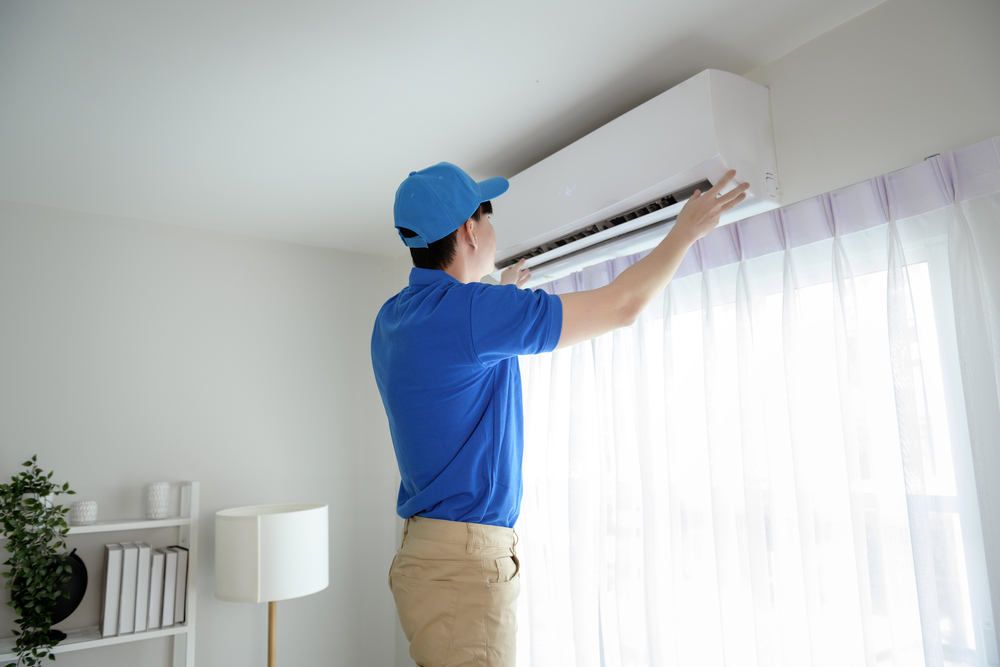
Ultimately, Singapore's relentless humidity can accelerate the internal degradation of your aircon unit, potentially leading to a host of serious problems including recurrent water leaks, mould contamination, and damage to the compressor.
Such severe issues demand professional intervention that only an expert can provide. As your trusted aircon specialist, 81 Aircon’s BCA-certified technicians offer comprehensive aircon servicing and specialised solutions to ensure lasting relief from humidity and optimal system efficiency.
To put an end to your aircon's humidity struggles, contact 81 Aircon today for a transparent quote and a professional inspection or visit our website to find out more.